Neurology cover associated with an article using SWAN histological data

Publications

Scientific Publications

Publications directly related to SWAN, SWAN-derived anatomical applications, clinical and functional neurosurgery context, and highlighted article covers.

Scientific record

A staged publication landscape

SWAN is built from a broader scientific trajectory linking high-resolution histology, histology-informed imaging, stereotactic anatomy, and functional neurosurgery.

This page gathers work that is directly part of SWAN’s methodological foundation, work using SWAN-derived or histology-informed anatomical material, related scientific applications, and selected highlighted article covers. The categories are intentionally separated to avoid overstating the maturity or clinical validation of the atlas.

Direct foundation

Core SWAN methodology

Methodological publications that establish high-thickness histology, histology-MRI correlation, and image-registration principles central to SWAN.

Direct SWAN methodological foundation 2018 · Brain Structure and Function

High thickness histological sections as alternative to study the three-dimensional microscopic human sub-cortical neuroanatomy

Eduardo J. L. Alho; Ana T. D. L. Alho; Lea T. Grinberg; Edson Amaro Jr.; Gláucia A. B. dos Santos; et al.

Article DOI

Introduces high-thickness human histological sections as a strategy to preserve three-dimensional relationships while enabling microscopic visualization of subcortical anatomy.

Relevance to SWAN: This work is one of the methodological foundations of SWAN: high-resolution histology is treated as a spatially meaningful anatomical volume rather than as isolated two-dimensional slides.

Direct SWAN methodological foundation Source not clearly identified

Automating Whole Brain Histology to MRI Registration: Implementation of a Computational Pipeline

Maryana Alegro; Eduardo J. L. Alho; Maria da Graça M. Martin; Lea T. Grinberg; Helmut Heinsen; Roseli de Deus Lopes; Edson Amaro Jr.; Lilla Zöllei

Describes a computational pipeline for semi-automatic whole-brain histology-to-MRI registration, addressing tissue distortion and multimodal alignment between histological and MRI volumes.

Relevance to SWAN: This work anticipates the SWAN registration philosophy: linking histology, MRI, and spatial coordinates through a reproducible image-processing pipeline.

Direct SWAN methodological foundation 2021 · Brain Structure and Function

Use of computational fluid dynamics for 3D fiber tract visualization on human high-thickness histological slices: histological mesh tractography

Eduardo J. L. Alho; Erich T. Fonoff; Ana T. D. L. Alho; József Nagy; Helmut Heinsen

Article DOI

Presents histological mesh tractography, using computational fluid dynamics-inspired modeling to visualize fiber trajectories within high-thickness human histological sections.

Relevance to SWAN: This paper provides a precursor to SWAN’s aim of extracting tract-like anatomical information from histological material and relating it to imaging and neurosurgical interpretation.

Histology-MRI correlation foundation 2017 · Brain Structure and Function

Magnetic resonance diffusion tensor imaging for the pedunculopontine nucleus: proof of concept and histological correlation

Ana T. D. L. Alho; Clement Hamani; Eduardo J. L. Alho; Rafael E. da Silva; Gláucia A. B. dos Santos; et al.

Article DOI

Combines in vivo and postmortem diffusion tensor imaging with histology to improve localization and interpretation of the pedunculopontine nucleus.

Relevance to SWAN: This work demonstrates the core SWAN principle that microscopic anatomy can be used to interpret and constrain MRI-based targeting of small deep structures.

Derived anatomy

SWAN-derived anatomical applications

Studies that use SWAN-related anatomical material, histology-informed maps, or related visualization strategies to interpret subcortical anatomy in imaging space.

SWAN-derived anatomical application 2019 · Movement Disorders

The Ansa Subthalamica: A Neglected Fiber Tract

Eduardo J. L. Alho; Ana T. D. L. Alho; Andreas Horn; Maria da Graça M. Martin; Brian L. Edlow; Bruce Fischl; József Nagy; Erich T. Fonoff; Clement Hamani; Helmut Heinsen

Article DOI

Highlights the ansa subthalamica as an underrecognized fiber tract relevant to basal ganglia circuitry and functional neurosurgery.

Relevance to SWAN: This paper shows how detailed histological and imaging-informed anatomy can reveal clinically relevant pathways that are poorly represented in standard neuroimaging atlases.

SWAN-derived anatomical application 2020 · Brain Stimulation

The ansa subthalamica as a substrate for DBS-induced manic symptoms

Eduardo J. L. Alho; Erich T. Fonoff; Clement Hamani; et al.

Article DOI

Discusses DBS-induced hypomania and mania in relation to stimulation of the ansa subthalamica and nearby hypothalamic and subthalamic circuitry.

Relevance to SWAN: This work illustrates how SWAN-type anatomical correlation can help interpret neuropsychiatric effects of stimulation in complex deep brain regions.

SWAN-derived anatomical visualization 2019 · Neurology

Teaching NeuroImages: In vivo visualization of Edinger comb and Wilson pencils

Andreas Horn; Siobhán Ewert; Eduardo J. L. Alho; Markus Axer; Helmut Heinsen; Erich T. Fonoff; Jonathan R. Polimeni; Todd M. Herrington

Article DOI

Shows how ultra-high-field MRI can visualize striatofugal fiber patterns historically described in anatomical and histological literature.

Relevance to SWAN: This visualization study fits the SWAN concept of bridging classical anatomy, histology, and modern imaging to improve anatomical interpretation.

Histology-informed imaging application 2020 · Movement Disorders

Pedunculopontine Nucleus Microstructure Predicts Postural and Gait Symptoms in Parkinson’s Disease

Chesney E. Craig; Ned J. Jenkinson; John-Stuart Brittain; Michel J. Grothe; Lynn Rochester; Ana T. D. L. Alho; Eduardo J. L. Alho; Paul S. Holmes; Nicola J. Ray

Article DOI

Uses stereotactic mapping and diffusion MRI metrics of the pedunculopontine nucleus to predict postural and gait symptoms in Parkinson’s disease.

Relevance to SWAN: This study demonstrates how histology-informed nuclei maps can become quantitative imaging tools, aligning with the SWAN goal of translating microscopic anatomy to MRI space.

Histology-informed imaging application 2014 · Journal of Alzheimer’s Disease

Subregional Basal Forebrain Atrophy in Alzheimer’s Disease: A Multicenter Study

Ingo Kilimann; Michel Grothe; Helmut Heinsen; Eduardo J. L. Alho; Lea Grinberg; Edson Amaro Jr.; et al.

Article DOI

Uses MRI-based basal forebrain volumetry informed by postmortem MRI and histology to study subregional basal forebrain atrophy in Alzheimer’s disease.

Relevance to SWAN: This work is an example of the translational path from histological delineation to in vivo MRI analysis, which is central to SWAN.

Histology-informed imaging application 2014 · Psychiatry Research: Neuroimaging

Brain atrophy in primary progressive aphasia involves the cholinergic basal forebrain and Ayala's nucleus

Stefan J. Teipel; Wilhelm Flatz; Nibal Ackl; Michel Grothe; Lea Grinberg; Edson Amaro Jr.; Eduardo Alho; Helmut Heinsen; Adrian Danek

Article DOI

Studies cortical and basal forebrain atrophy in primary progressive aphasia using MRI-based regions informed by histological anatomy.

Relevance to SWAN: This paper shows how postmortem anatomical definitions can be projected into MRI space for disease-focused neuroimaging.

Histology-informed imaging application 2018 · Brain

In vivo cholinergic basal forebrain atrophy predicts cognitive decline in de novo Parkinson’s disease

Nicola J. Ray; Steven Bradburn; Christopher Murgatroyd; Umar Toseeb; Pablo Mir; George K. Kountouriotis; Stefan J. Teipel; Michel J. Grothe

Article DOI

Uses stereotactic mapping of the cholinergic basal forebrain to show that nucleus basalis of Meynert volume predicts cognitive decline in de novo Parkinson’s disease.

Relevance to SWAN: This work illustrates the value of histology-derived stereotactic maps for clinically meaningful MRI biomarkers.

Clinical context

Clinical and functional neurosurgery applications

Related scientific applications in functional neurosurgery, stereotactic targeting, and neuropsychiatric anatomy, presented as context rather than clinical validation of SWAN.

Related scientific application 2019 · Journal of Neurosurgery

Deep brain stimulation modulates hypothalamic-brainstem fibers in cluster headache: case report

Sérgio A. F. Dantas; Eduardo J. L. Alho; Juliano J. da Silva; Nilson N. Mendes Neto; Erich T. Fonoff; Clement Hamani

Article DOI

Reports hypothalamic DBS for cluster headache and discusses modulation of hypothalamic-brainstem fiber pathways as a possible therapeutic mechanism.

Relevance to SWAN: This case report represents the type of clinical-neuroanatomical problem SWAN is designed to support: relating stimulation sites to deep fiber anatomy.

Related scientific application 2017 · Annals of Clinical and Translational Neurology

Lateral hypothalamic activity indicates hunger and satiety states in humans

Omid Talakoub; Raquel R. Paiva; Matija Milosevic; Marcelo Q. Hoexter; Eduardo Alho; Jessie Navarro; et al.

Uses local field potential recordings from the lateral hypothalamic area during DBS to examine human electrophysiological correlates of hunger and satiety.

Relevance to SWAN: This work shows the need for precise anatomical interpretation of hypothalamic recordings and stimulation in relation to functional states.

Related scientific application 2018 · JAMA Network Open

Assessment of Safety and Outcome of Lateral Hypothalamic Deep Brain Stimulation for Obesity in a Small Series of Patients With Prader-Willi Syndrome

Ruth R. Franco; Erich T. Fonoff; Pedro G. Alvarenga; Eduardo J. L. Alho; Antonio C. Lopes; Marcelo Q. Hoexter; et al.

Article DOI

Reports safety and outcomes of lateral hypothalamic DBS in a small series of patients with Prader-Willi syndrome.

Relevance to SWAN: This study provides clinical context for how SWAN-related anatomical tools could support interpretation of stimulation sites and adverse effects in the hypothalamic region.

Related scientific application 2018 · Neurology

Double target DBS for essential tremor: 8-contact lead for cZI and VIM aligned in the same trajectory

Maria Gabriela dos Santos Ghilardi; Melisa Ibarra; Eduardo J. L. Alho; Paul Rodrigo Reis; William O. L. Contreras; Clement Hamani; Erich T. Fonoff

Article DOI

Describes a DBS strategy aligning the ventral intermediate nucleus and caudal zona incerta within a single trajectory using an 8-contact lead.

Relevance to SWAN: This work highlights the importance of integrated stereotactic anatomy for planning trajectories across adjacent functional targets.

Related scientific application 2012 · Movement Disorders

Bilateral subthalamic nucleus stimulation for generalized dystonia after bilateral pallidotomy

Erich T. Fonoff; Wuilker K. Campos; Maurício Mandel; Eduardo J. Alho; Manoel J. Teixeira

Article DOI

Reports bilateral STN stimulation for generalized dystonia in patients who had previously undergone bilateral pallidotomy.

Relevance to SWAN: This report provides clinical context for subthalamic targeting and emphasizes the value of detailed atlas support in complex reoperative functional neurosurgery.

Functional neurosurgery context 2017 · eNeuro

Subthalamic Nucleus Deep Brain Stimulation: Basic Concepts and Novel Perspectives

Clement Hamani; Gerson Florence; Helmut Heinsen; Birgit R. Plantinga; Yasin Temel; Kamil Uludag; Eduardo Alho; Manoel J. Teixeira; Edson Amaro; Erich T. Fonoff

Article DOI

Reviews STN deep brain stimulation, including anatomical, physiological, and mechanistic concepts relevant to movement disorders.

Relevance to SWAN: This review provides neurosurgical context for why precise subcortical anatomy and multimodal atlas integration are important for DBS interpretation and planning.

Functional neurosurgery context 2013 · Movement Disorders

Intraoperative Dopamine Release During Globus Pallidus Internus Stimulation in Parkinson’s Disease

Raquel C. R. Martinez; Clement Hamani; Milene C. de Carvalho; Amanda R. de Oliveira; Eduardo Alho; Jessie Navarro; Helmut Heinsen; et al.

Uses intraoperative microdialysis to study dopamine release during globus pallidus internus stimulation in Parkinson’s disease.

Relevance to SWAN: This work provides neurochemical and anatomical context for interpreting stimulation effects in deep brain targets.

Functional neurosurgery context 2017 · Neurology

Thalamic deep brain stimulation for tremor in Parkinson disease, essential tremor, and dystonia

Rubens G. Cury; Valerie Fraix; Anna Castrioto; Maricely A. Pérez Fernández; Paul Krack; Stephan Chabardes; Eric Seigneuret; Eduardo J. L. Alho; Alim-Louis Benabid; Elena Moro

Reports long-term outcomes of VIM thalamic DBS for tremor across Parkinson disease, essential tremor, and dystonia.

Relevance to SWAN: This study provides clinical context for the stereotactic targets that SWAN-related anatomical resources may help contextualize.

Functional neurosurgery context 2017 · Neuropsychiatric Disease and Treatment

Deep brain stimulation in Tourette’s syndrome: evidence to date

Sara C. B. Casagrande; Rubens G. Cury; Eduardo J. L. Alho; Erich T. Fonoff

Reviews evidence for deep brain stimulation in Tourette’s syndrome, including candidate targets and clinical outcomes.

Relevance to SWAN: This review broadens the functional neurosurgery context for SWAN by showing the need for precise circuit-based targeting beyond movement disorders.

Stereotactic pain surgery context 2019 · Cureus

Stereotactic Gamma Ray Radiosurgery to the Centromedian and Parafascicular Complex of the Thalamus for Trigeminal Neuralgia and Other Complex Pain Syndromes

Eduardo E. Lovo; Boheris Torres; Fidel Campos; Victor Caceros; William A. Reyes; Kaory C. Barahona; Claudia Cruz; Juan Arias; Eduardo Alho; William O. Contreras

Article DOI

Reports stereotactic radiosurgery targeting the centromedian-parafascicular thalamic complex for trigeminal neuralgia and complex pain syndromes.

Relevance to SWAN: This paper shows another stereotactic application in which precise thalamic and subcortical anatomy is central to interpretation and targeting.

Neuropsychiatric anatomy context 2019 · Neurosurgery

Amygdala and Hypothalamus: Historical Overview With Focus on Aggression

Flavia V. Gouveia; Erich T. Fonoff; Clement Hamani; Helena Brentani; Eduardo J. L. Alho; Rosa M. C. B. de Morais; Aline L. de Souza; Sérgio P. Rigonatti; Raquel C. R. Martinez

Article DOI

Reviews the amygdala and hypothalamus in relation to aggression, including historical and neurobiological arguments for functional neurosurgical approaches.

Relevance to SWAN: This review provides anatomical and historical context for hypothalamic and limbic circuits that SWAN may help visualize in multimodal space.

Highlighted articles

Covers and Highlighted Articles

These items document cover appearances of articles in which SWAN histological data were used.

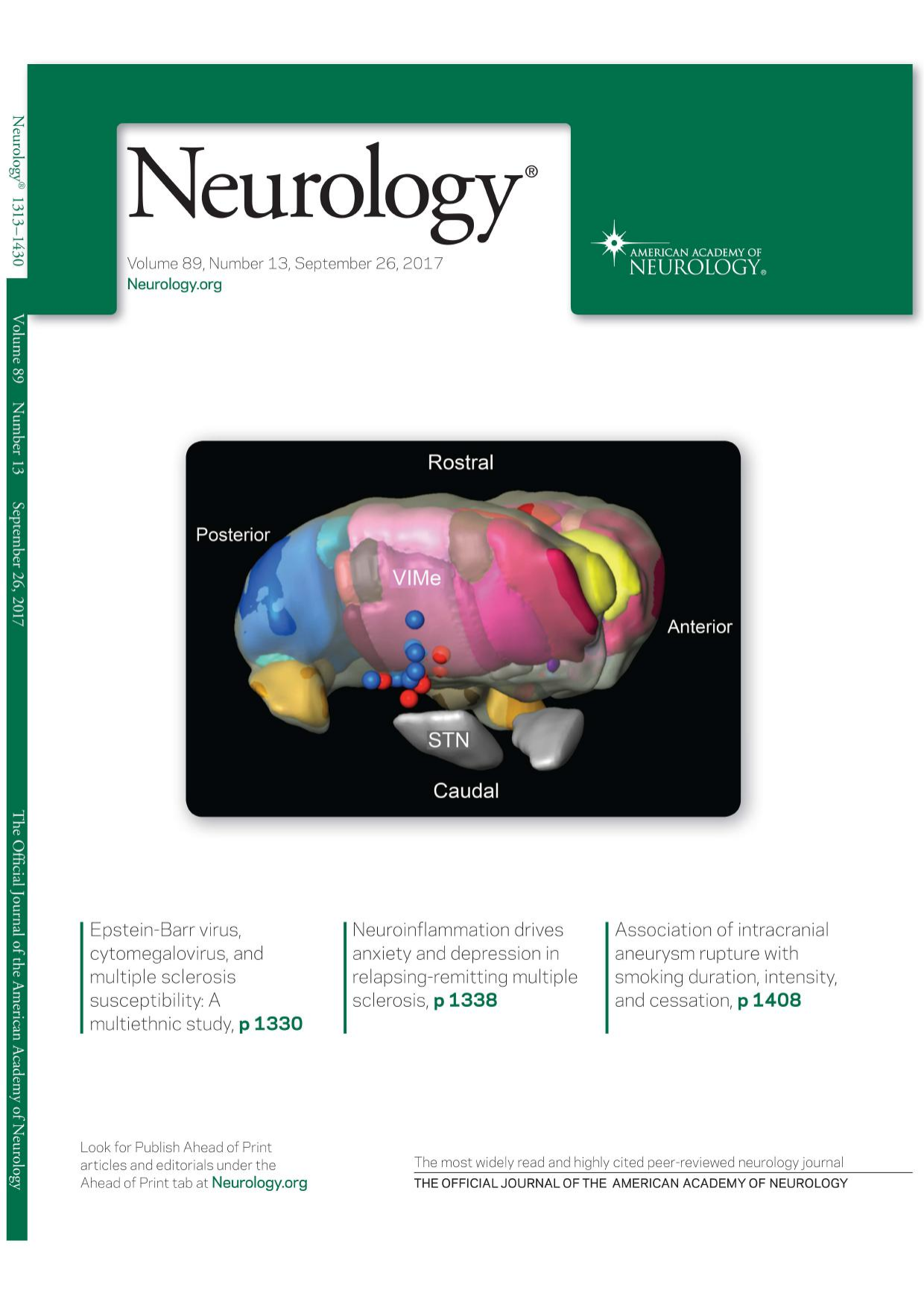
Neurology cover associated with an article using SWAN histological data
Neurology · 2017

Neurology cover

Cover appearance for a published article in which SWAN histological data were used.

Relevance: Documents the use of SWAN histological data in a peer-reviewed neurological publication.

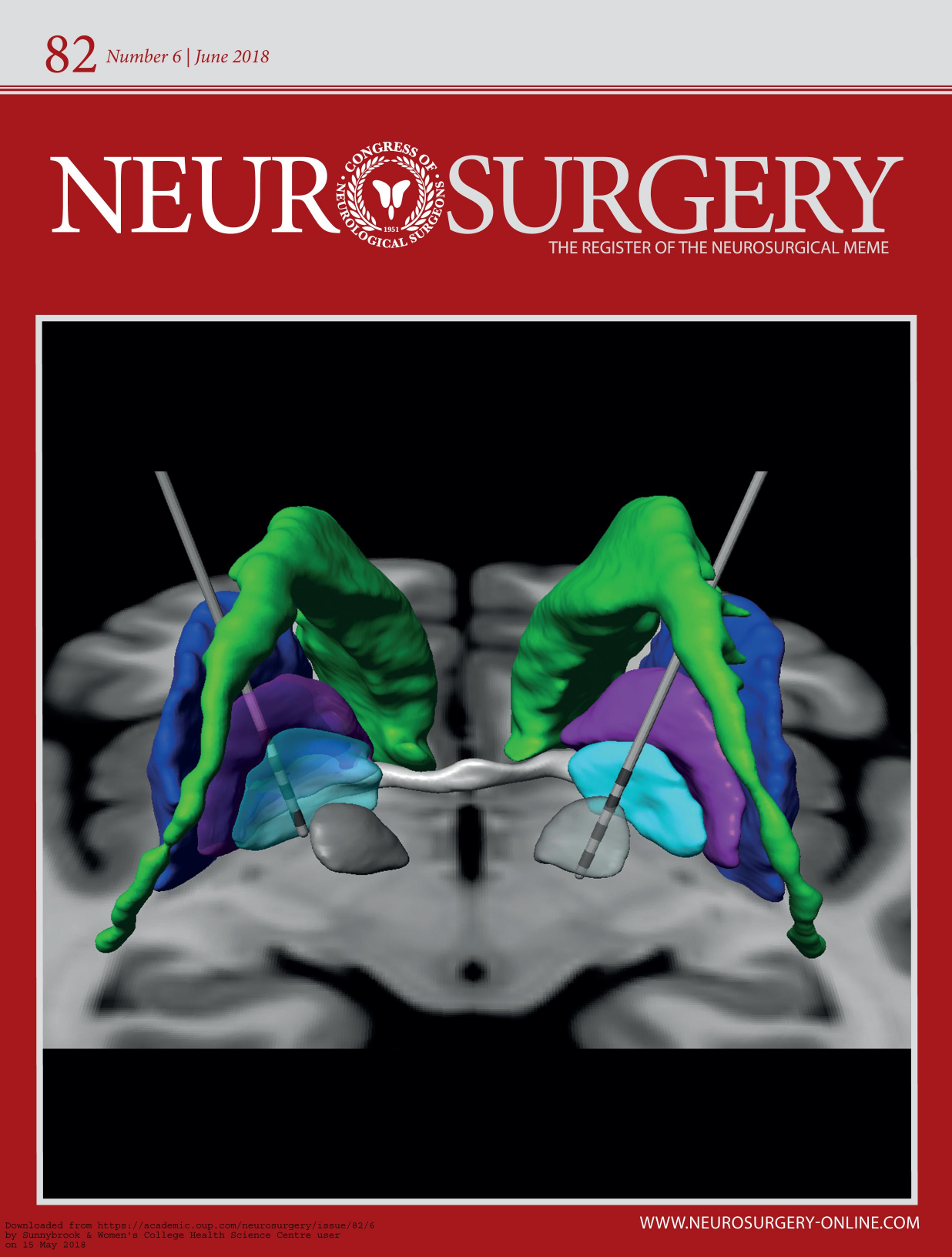
Neurosurgery cover associated with an article using SWAN histological data
Neurosurgery · 2018

Neurosurgery cover

Cover appearance for a published article in which SWAN histological data were used.

Relevance: Connects SWAN histological material with anatomical questions in functional neurosurgery.

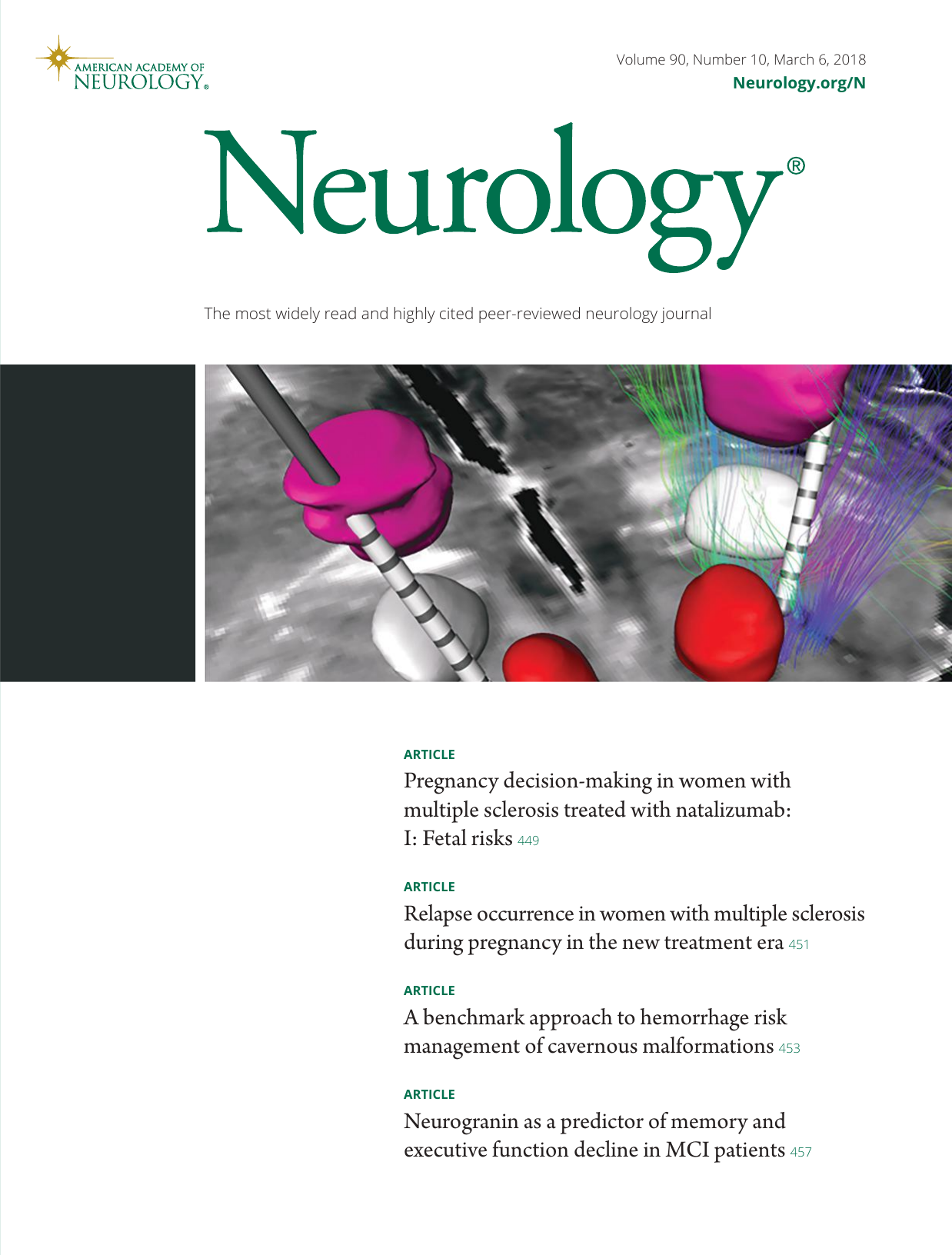
Neurology issue image associated with an article using SWAN histological data
Neurology · 2018

Neurology highlighted article

Highlighted article material associated with SWAN histological data.

Relevance: Places SWAN histological material in the context of neurological imaging and anatomy.

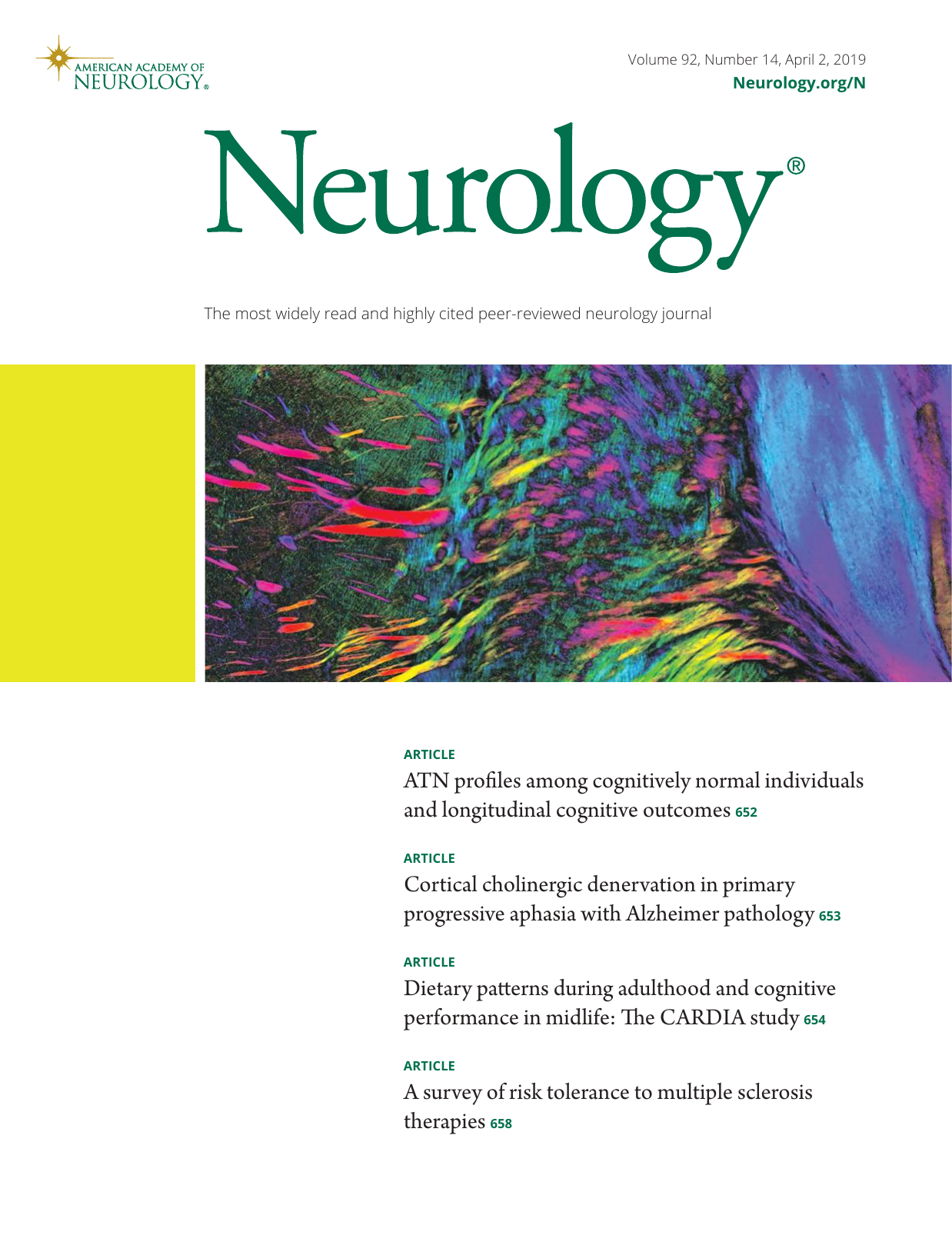
Neurology issue image associated with an article using SWAN histological data
Neurology · 2019

Neurology highlighted article

Highlighted article material associated with SWAN histological data.

Relevance: Shows the relationship between SWAN histological data and modern neuroimaging interpretation.

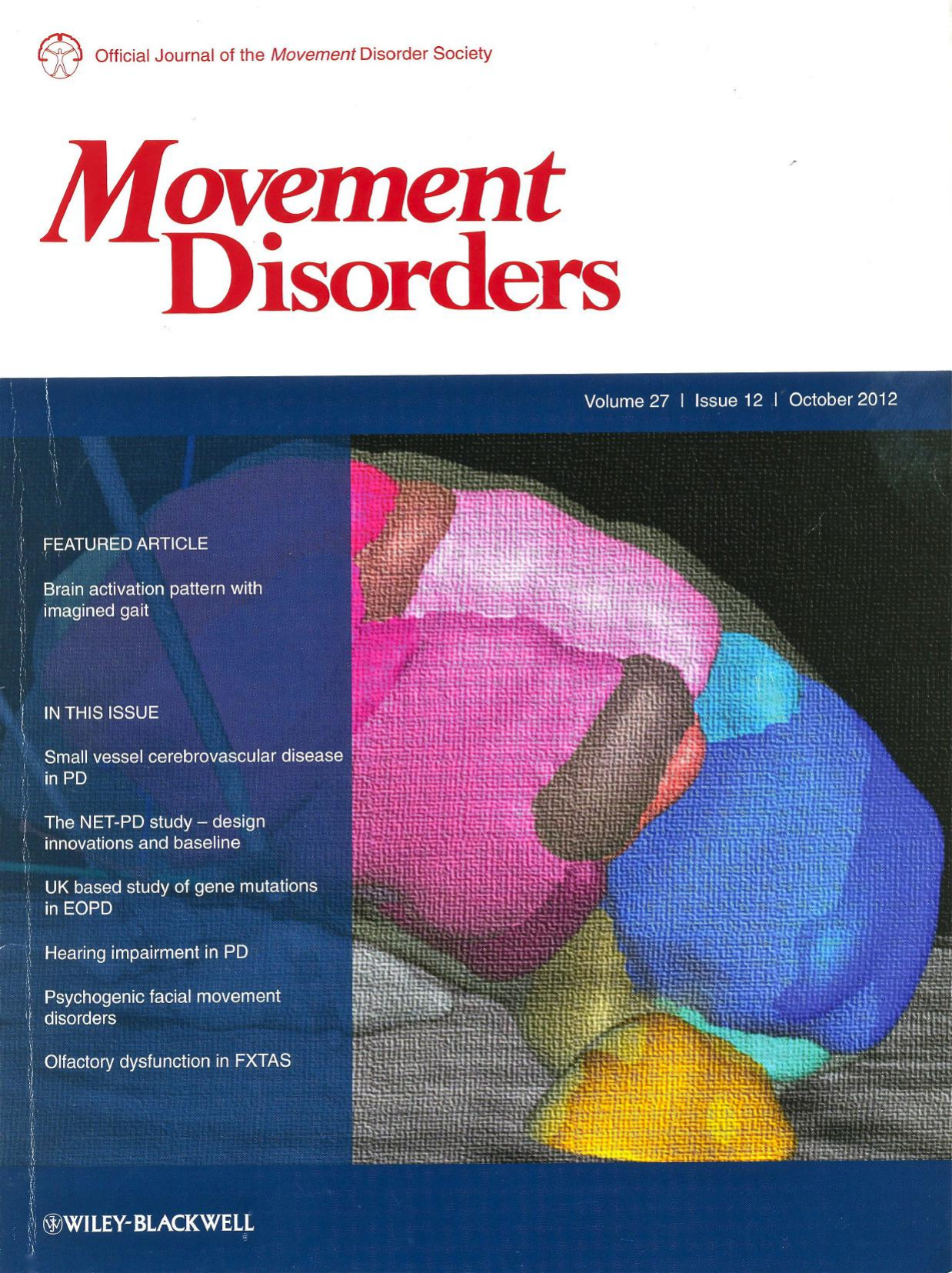
Movement Disorders cover associated with an article using SWAN histological data
Movement Disorders

Movement Disorders cover

Cover appearance for a published article in which SWAN histological data were used.

Relevance: Relates SWAN-derived anatomy to movement-disorders research and deep-brain circuitry.

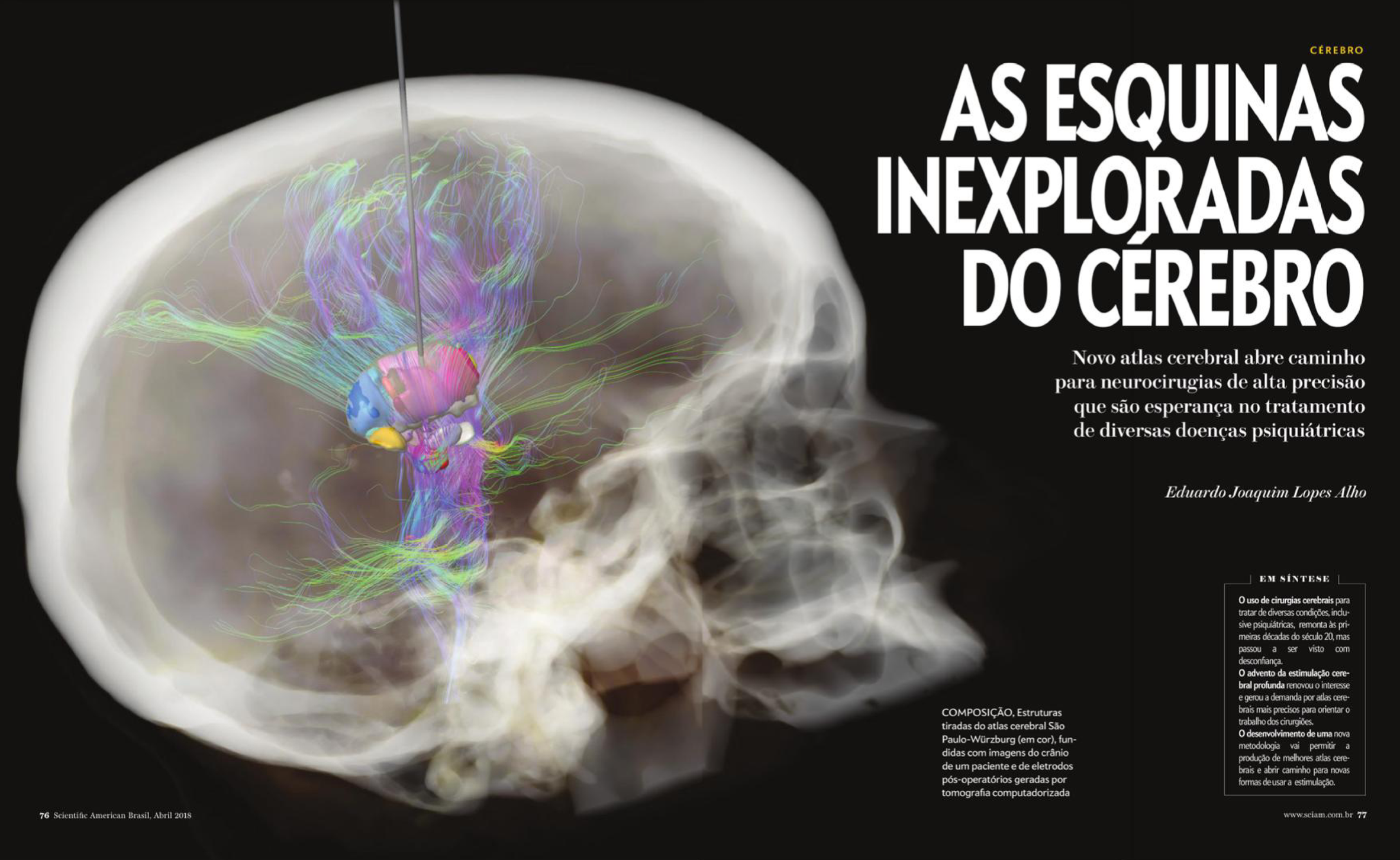
Scientific American Brasil article image featuring SWAN atlas work
Scientific American Brasil · 2018

Scientific American Brasil highlighted article

Highlighted article presenting SWAN-related atlas work to a broader scientific readership.

Relevance: Shows the public scientific context for SWAN histological data and stereotactic atlas development.

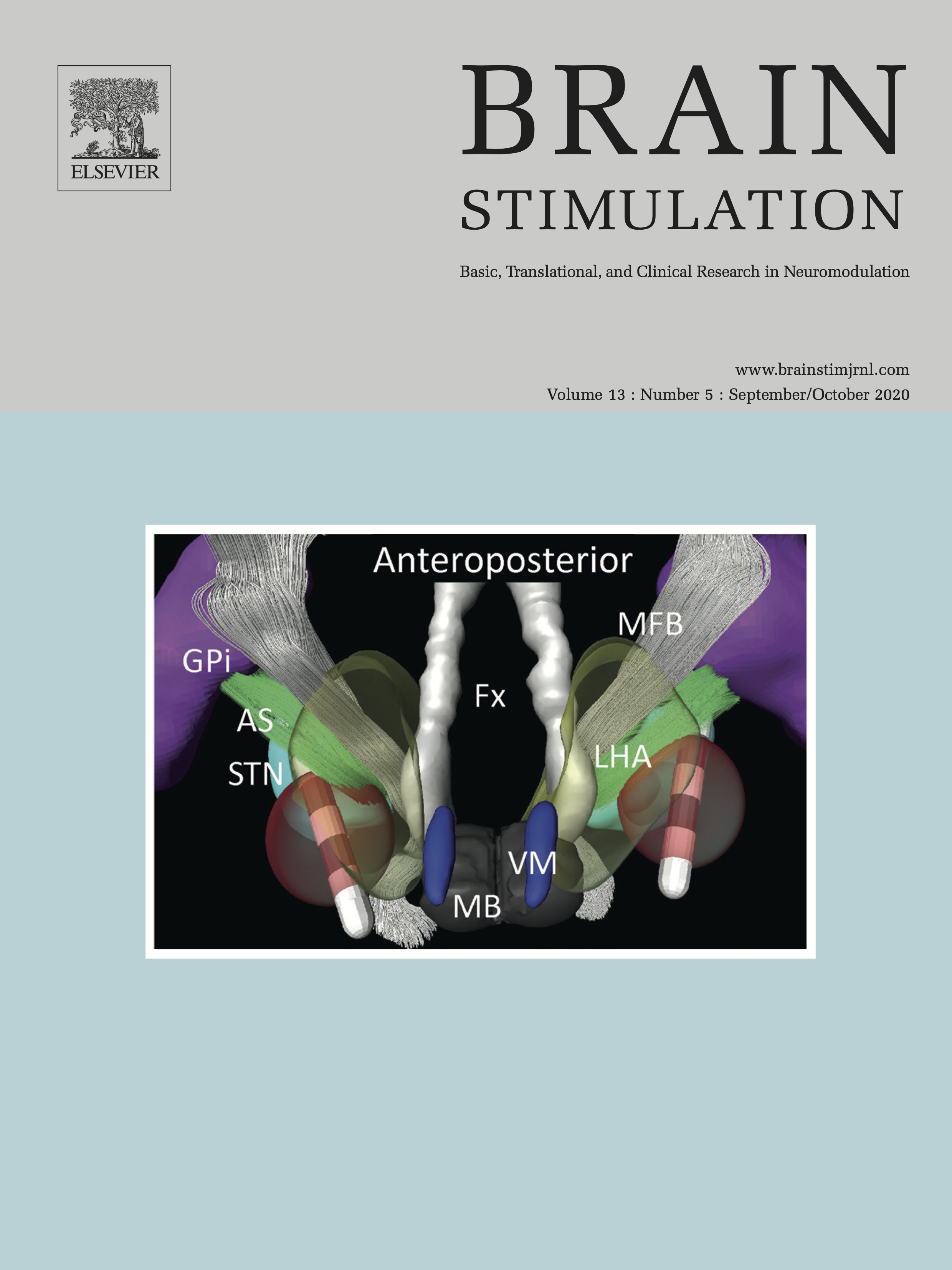
Brain Stimulation cover associated with SWAN histological data
Brain Stimulation · 2020

Brain Stimulation cover

Cover appearance for a Brain Stimulation article in which SWAN histological data were used.

Relevance: Links SWAN histological material with circuit anatomy relevant to neuromodulation research.